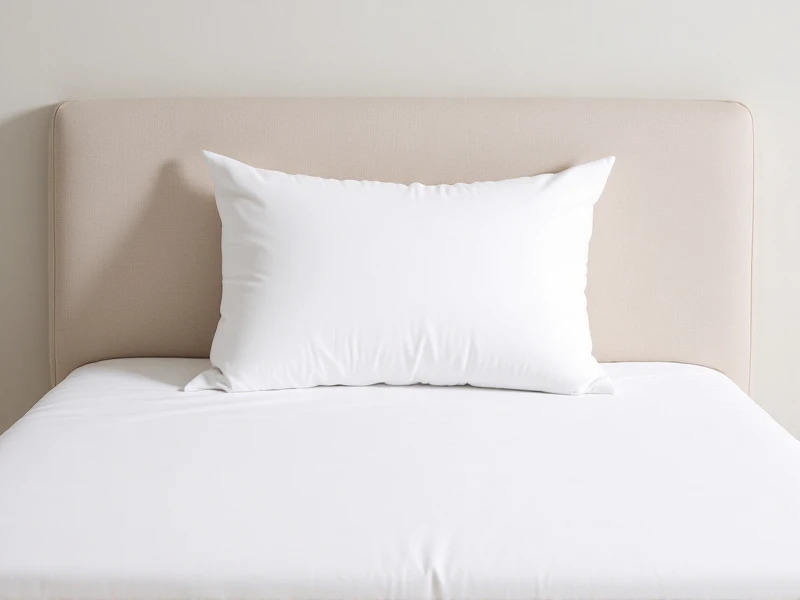
Choosing Your Dream Pillow: Unlock Better Sleep and Health
Here is an SEO-optimized article about pillows:
When was the last time you thought about replacing your pillow? This essential yet often overlooked item does far more than just hold your head at night. The right pillow directly impacts your sleep quality, spinal alignment, pain levels, and overall health.
More Than Just Comfort: The Pillow's Vital Role A good pillow provides crucial support for your head, neck, and shoulders throughout the night. It maintains the natural curve of your cervical spine, preventing strain on muscles and ligaments. Waking with persistent neck pain, morning headaches, or shoulder stiffness is often a direct sign your pillow isn't performing correctly. Choosing the right pillow is an investment in pain-free mornings and deeper rest.
Finding Your Perfect Pillow Match The "best" pillow isn't universal; it depends on your primary sleep position:
- Back Sleepers: Seek medium-thickness support to cradle the head without pushing the chin down or lifting it too high. Memory foam, contour pillows, or latex often work well.
- Side Sleepers: Need a firmer, thicker pillow to fill the space between the mattress and the outside shoulder and neck. Firmer memory foam, latex, or high-loft down alternative pillows provide the necessary support.
- Stomach Sleepers: Require a very soft, flat pillow (or potentially no pillow under the head) to minimize neck twisting. Soft down or down alternative pillows are usually ideal.
- Combination Sleepers: Should prioritize a medium-loft, responsive pillow that adapts as they shift positions. Shredded memory foam or adjustable fill pillows offer good versatility.
The Material Matters Pillow fill significantly affects feel, support, durability, and allergy suitability:
- Down & Feather: Naturally lofted, luxurious, and moldable, but requires fluffing and isn't suitable for those with allergies. Blends offer varying support levels.
- Synthetic (Polyester): Affordable, widely available, hypoallergenic, easy to wash. Quality varies drastically; high-end down alternatives can mimic down very well.
- Memory Foam: Offers excellent contouring pressure relief for the head and neck. Responsive types react to body heat. Viscoelastic types cradle persistently.
- Latex: Resilient support, naturally cooling, mould-resistant, durable, and hypoallergenic. Often provides a buoyant feel.
- Others: Buckwheat (adjustable, supportive, cooling), Wool (temperature regulating, naturally wicking), Cooling gels (often integrated into foam for sleep temperature control).
Listen to Your Body & Replace Regularly Don't ignore discomfort. If your pillow feels lumpy, stays compressed, provides uneven support, or is over 18-24 months old, it's time for a replacement. A worn-out pillow simply cannot perform its critical support function and likely harbours allergens.
Your pillow isn't a passive accessory; it's an active partner in rest, healing, and well-being. Taking the time to select the perfect one for your sleep style and needs is fundamental to waking each day feeling truly refreshed and free of pain. Prioritize the support beneath your head – your body will thank you.